Socializing helps slow brain decline in older adults
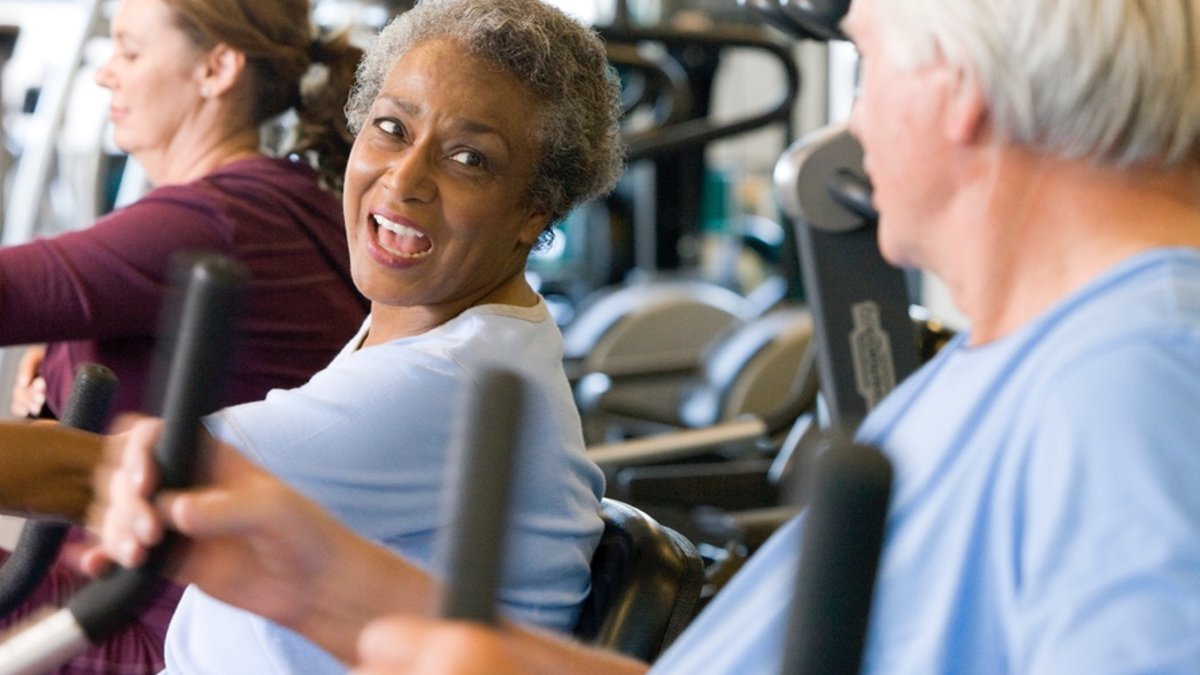
A new study tracking 6,800 Medicare recipients across eight years demonstrates that social engagement reduces cognitive decline in older adults, providing an accessible strategy to lower dementia risk. Researchers from the University of Pittsburgh examined brain health in participants aged between 65 and over 90, concentrating on regions responsible for memory and decision-making. Individuals who maintained regular social interactions, such as dining out, participating in clubs, or visiting family, exhibited slower deterioration in these brain areas over time.
The results expand on previous research showing that socialization helps preserve brain cells essential for memory and spatial awareness. Lead investigator Cynthia Felix explained that even modest, meaningful interactions, like attending a book club or volunteering, can stimulate protective neural pathways. Published in Alzheimer’s and Dementia, the study suggests social engagement functions similarly to mental exercise, preventing brain shrinkage just as physical activity maintains muscle strength.
With global dementia cases expected to reach 78 million by 2030, initiatives like SilverSneakers, which provides community fitness and social programs for seniors, may become vital. The study’s methodology reflected everyday behavior, asking participants whether they had engaged in enjoyable outings, joined group activities, or visited others in person during the prior month. Those who participated more frequently demonstrated slower cognitive decline.
Read Also: Fathers’ B12 levels may lower birth defect risks
The research does not endorse any single form of socialization. Activities ranging from gardening clubs to bingo nights or weekly movie outings qualify as effective interventions. Felix emphasized that consistency matters most: structured, recurring interactions produce benefits regardless of the specific activity. This finding aligns with broader aging research, where interventions like cognitive training or physical exercise also depend on repetition for effectiveness.
While the study shows the importance of social interaction, it does not address potential barriers, such as mobility limitations or lack of local programs, that may prevent some seniors from participating. Future research could explore how technology, such as virtual social groups, might extend these benefits to those with limited access to in-person activities. The findings also raise questions about whether targeted outreach programs could help bridge gaps in social engagement among high-risk populations.


