Google AI fights healthcare bias, speeds drug discovery
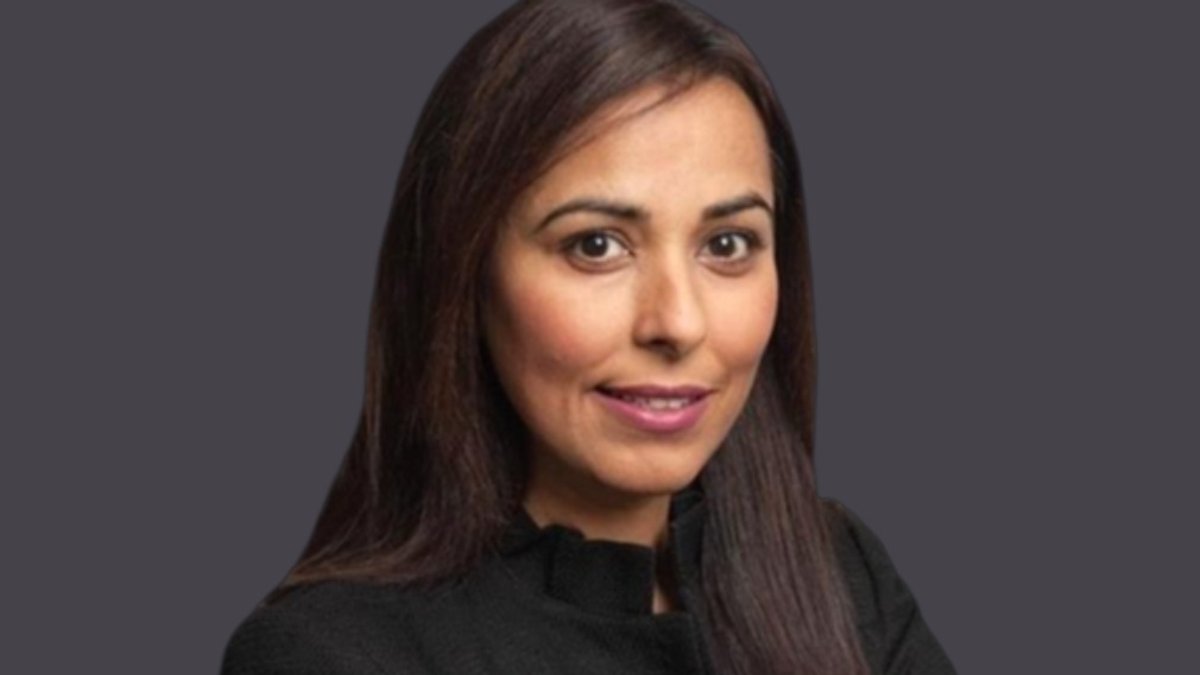
At the HIMSS AI Forum, Aashima Gupta, global director of healthcare at Google Cloud, discussed how AI can address bias in healthcare and accelerate scientific discovery. Bias exists in healthcare data, a result of systemic inequities built over decades. Gupta presented a use case where an AI system flagged a pattern of discharging a specific population to the same facility. This, she explained, is a flag for potential inequity.
While humans are well-intentioned, they have personal biases. Gupta described AI as an “independent coworker” that can act as a thought partner. It can see patterns and flag them, creating space for meaningful conversations that an individual might not feel comfortable initiating. This makes AI a “force multiplier,” helping to identify biases that might otherwise go unnoticed.
AI Impact and the Focus on Outcomes
Gupta emphasized that AI adoption should not be the primary metric. Instead, the focus should be on outcomes for both patients and caregivers. Successful AI implementation requires an owner on the technology side and an owner on the business side. A current opportunity lies in administrative tasks, such as reducing the documentation burden on clinicians.
Read Also: Cancer app reduces hospital admissions
Reimagining Healthcare and Drug Discovery
In scientific discovery, AI offers a path to speed up the development of new drugs. It can take 13 to 17 years to bring a new drug to market. Gupta pointed to Schrodinger’s lymphoma research program, where AI used in silico simulations to narrow down millions of potential molecules to just 78, a 97% reduction. The key is performing massive experimentation in a simulated environment before moving to a physical lab, which is where the cost savings and speed of transformation will come from.
While the administrative use cases are gaining ground, Gupta stressed the importance of thinking beyond simple automation. She explained that true transformation comes from reimagining workflows with the help of AI agents. These new tools have reasoning capabilities and can execute tasks, which was not possible before. This allows for a fundamental rethink of how care is delivered and managed.
Practical Applications and Future Possibilities
The potential for AI to act as a “co-scientist” in drug discovery is another significant application. We’ve seen early promises like Schrodinger, who did this lymphoma research program, and they took from millions of molecules, from 2,500 physical down to 78.


