Quick Core Routine Boosts Runner Stability, Performance
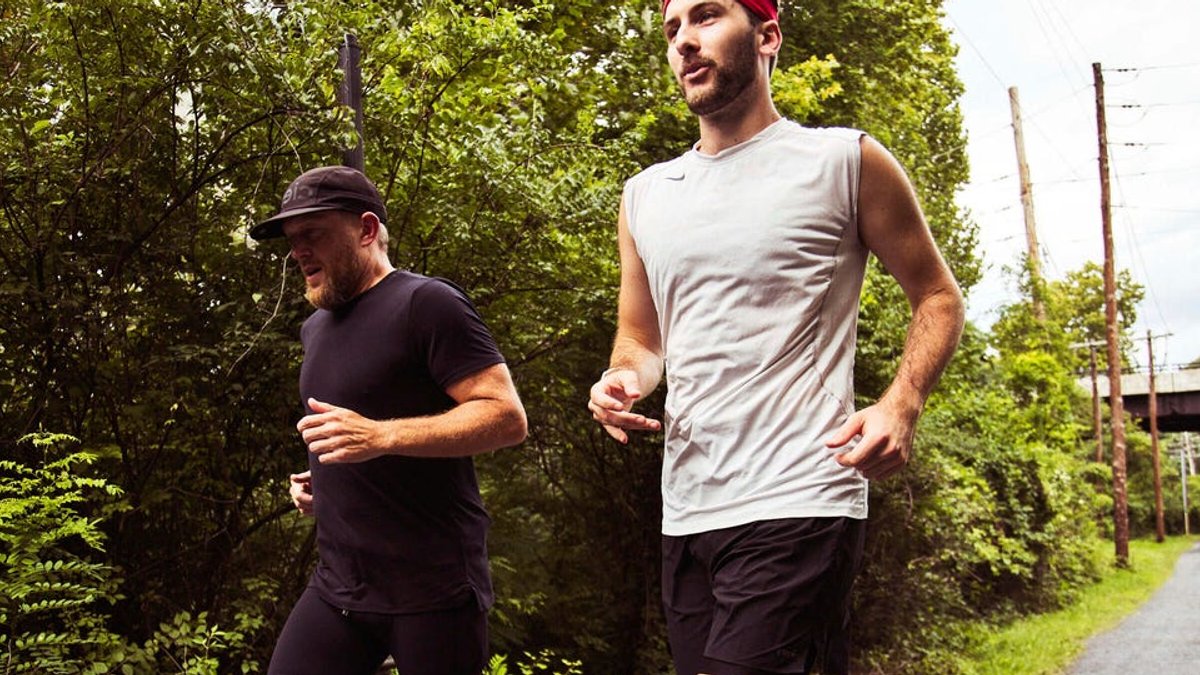
Busy runners often skip strength training and core work due to packed schedules. These exercises, though time-efficient, are vital for performance. A simple routine can enhance force transfer, maintain posture, and preserve running form as fatigue sets in during runs. Core work, often overlooked, requires just a few minutes daily to yield significant benefits.
Selecting the right moves is key. We’ve identified three exercises targeting trunk and pelvic stability that fit into a five-minute post-run session, ensuring runners can prioritize core work without adding extra time to their schedules.
The Role of Core in Running
Core training goes beyond the six-pack. It involves muscles like the obliques, spinal erectors, transverse abdominis, diaphragm, pelvic floor, glutes, hip flexors, and rectus abdominis. These muscles collectively support breathing, posture, and running form by stabilizing the body and preventing inefficient movements.
Lauren Pak, a personal trainer and strength coach, organizes core training around four movement patterns: rotation, flexion, extension, and lateral flexion. Running demands strength in all these areas to manage the body’s natural movements, such as arm swing and stride, while minimizing energy-draining form breakdowns.
Incorporating Core Work
Core exercises don’t need to be a separate workout. Pak suggests adding them to a pre-run warmup, while Holly Dickinson, a UESCA-certified run coach and NSCA-certified strength and conditioning coach, recommends incorporating them into a quick circuit or full-body strength session. This approach integrates core work into existing training time, making it more manageable for busy runners.
Read Also: Focused Gaze Helps Marathoners Maintain Pace Near Finish
Three Essential Core Moves
Dead Bug: This move, recommended by both Pak and Dickinson, challenges the lower back and hip flexors while building deep core control. The cross-body pattern helps runners resist lower-back arching, improving form and countering the effects of prolonged sitting. It’s particularly beneficial for those who spend long hours seated.
Start by lying faceup with legs lifted and knees bent at 90 degrees, positioned directly over the hips. Extend arms straight up, aligning hands with shoulders. Lower one leg and the opposite arm toward the floor, pause, then return to the starting position. Alternate sides for 16 reps (eight per side), ensuring controlled movement throughout.
Side Plank Hold: This hold trains anti-lateral flexion, essential for maintaining a tall posture during runs. It challenges the body’s ability to resist sideways bending, which is key for preventing collapse or leaning during long runs. Lie on your side with legs straight, either stacked or staggered, and lift into a side plank on your forearm. Ensure your shoulder remains stable and your body forms a straight line from head to heels. Hold for 30 to 60 seconds on each side, focusing on maintaining proper form.
Copenhagen Side Plank: A progression that targets the obliques and inner-thigh muscles (adductors), this move stabilizes the pelvis and enhances glute activation, bringing more power to your stride. Lie on your side near a bench, place one foot on it, and lift your hips and top leg. Drive your forearm into the floor and engage your inner thighs to hold the position. This exercise is particularly effective for runners looking to improve pelvic stability and stride efficiency. Hold for 30 seconds on each side, focusing on controlled engagement.

Focused Gaze Helps Marathoners Maintain Pace Near Finish


