Researchers develop broad spectrum bird flu vaccine
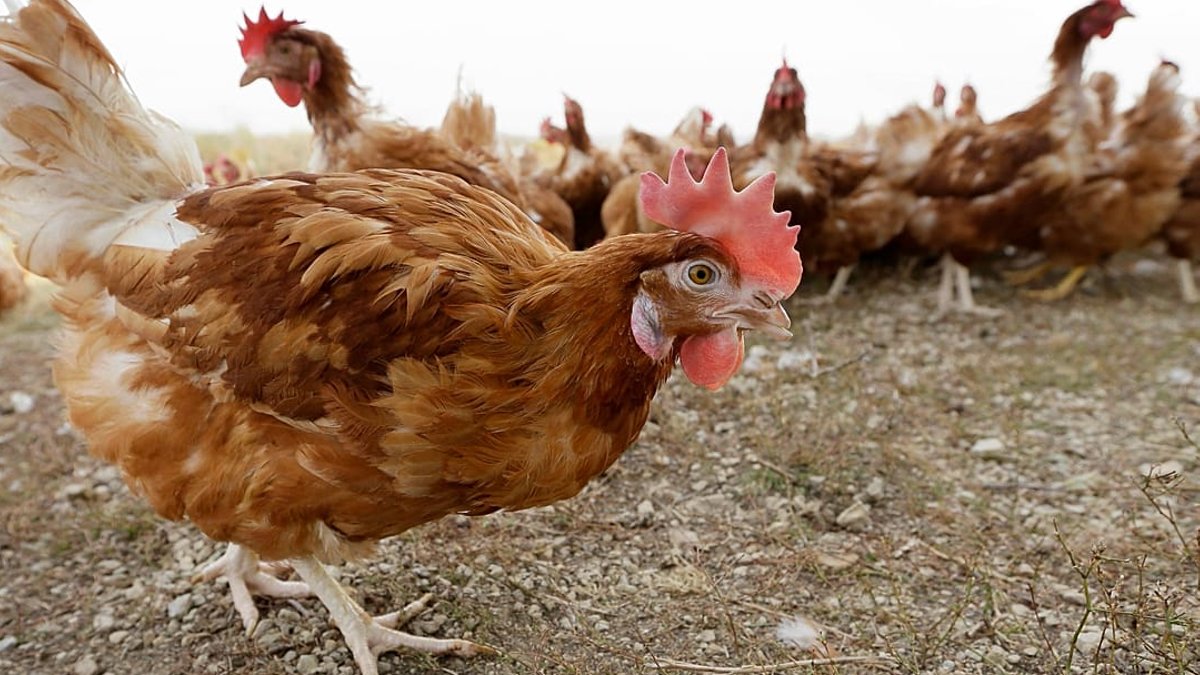
Researchers from Cambridge University introduced an AI-powered vaccine capable of addressing numerous bird flu strains simultaneously. Unlike conventional vaccines that focus on a single variant, this innovation may safeguard against future strains not yet identified, the team explains.
This vaccine is part of a new class of vaccines that aim to protect against multiple strains of a virus, helping to improve readiness for future health crises. Jonathan Heeney, heading the Lab of Viral Zoonotics at the University of Cambridge, directed the research.
According to Heeney, the new broad-spectrum vaccine shields against a wide array of variants, unlike traditional vaccines that target a single strain of bird flu. It is engineered to predict viral changes, not just react to them.
Research, detailed in Cell Reports Medicine, showed the new vaccine offers more extensive protection and higher survival rates than standard vaccines. Bird flu, an RNA virus, can quickly mutate into new forms that spread from animals to humans and dodge the immune system.
Current pandemic preparedness relies on stockpiling vaccines against individual virus variants that have already emerged. The new-generation vaccines are expected to improve national biosecurity and public health systems, according to the authors.
Read Also: Fireworks injuries rise across Europe despite safety gaps
Heeney noted that the new vaccines can help prepare for virus epidemics and pandemics, rather than responding with a strain that will have changed. They collected genetic sequence data from bird flu viruses recorded by surveillance programmes worldwide.
The team employed computational and evolutionary algorithms to create five AI-enhanced synthetic antigens that reflect the global diversity of bird flu viruses. An antigen, the key component in a vaccine, stimulates the body’s immune defenses.
Heeney said that using AI vastly speeds up the process of vaccine design, and then they can test the vaccine candidates in the lab to make sure they’re robust and safe. The vaccine completely protected mice and ferrets against a range of genetically distinct variants of the virus that causes bird flu.
The next phase involves human clinical trials for the new bird flu vaccine, enabling its deployment during outbreaks. The researchers also intend to extend this approach to seasonal flu vaccines and other fast-changing RNA viruses.


