Fireworks injuries rise across Europe despite safety gaps
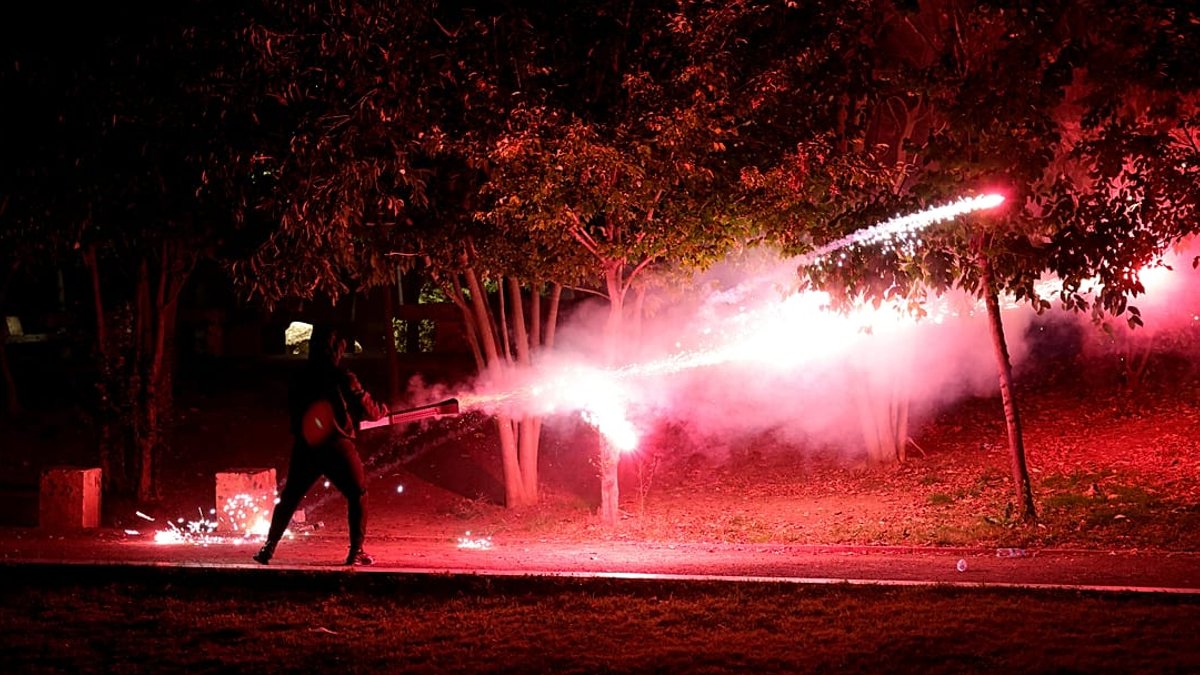
Fireworks are a common feature of celebrations across Europe, illuminating skies during New Year’s Eve, national holidays, and election victories. However, they also pose a significant public health risk. Each year, thousands of people experience injuries from fireworks, with children, young men, and lower-income communities disproportionately affected.
Researchers at the University of California, Los Angeles (UCLA) have documented the severity of firework-related medical emergencies. Their study, published in The BMJ, details cases of severe burns, blast injuries from shockwaves, traumatic brain injuries, finger amputations, and permanent blindness. The findings reveal that rural residents and bystanders are particularly vulnerable. The authors stress that existing regulations are inadequate and advocate for stricter controls, public awareness campaigns, and a preference for professional fireworks displays over private use.
One key recommendation is the introduction of graphic warning labels on fireworks packaging, similar to those found on cigarette packs. These labels would visually highlight the risks associated with fireworks. Another proposal involves implementing school-based education programs that use real-life injury stories to discourage unsafe handling. Medical organizations are also encouraged to promote the dangers of home fireworks use, addressing social media trends that encourage private displays.
Read Also: Europe battles tiger mosquitoes to prevent tropical disease outbreak
Across Europe, the number of firework-related injuries varies significantly by country. The Netherlands maintains detailed records, documenting 1,239 emergency cases during the 2025–2026 New Year’s celebrations—a 7% increase from the previous year. Italy’s Ministry of the Interior reported 283 injuries during New Year’s Eve celebrations, 54 of whom required hospitalisation. Many other nations, however, lack systematic data collection, leaving the full extent of the problem unclear.
The European fireworks market has continued to expand despite these risks. In 2024, the EU imported 120,000 tonnes of fireworks valued at €406.7 million. This represented a 9.5% increase in volume and a 21.5% rise in value compared to 2023. According to the European Commission’s 2025 report, pyrotechnic imports reached a record €452 million, with fireworks accounting for the largest share. The Netherlands received 37.0% of extra-EU fireworks imports and Germany 35.6%, followed by Poland at 7.4% in 2024.
Regulation of fireworks in the EU is guided by a directive that establishes safety standards but permits member states to enforce stricter rules. Fireworks are divided into categories based on hazard levels. Very low-risk items, such as sparklers, require users to be at least 12 years old. Medium-hazard products mandate users to be 18. Some countries, including Germany and France, have implemented higher age limits, 16 and 18, respectively, for certain outdoor fireworks. The Netherlands, Germany, France, and Italy have also introduced additional national restrictions.


