Fear of falling drives seniors to avoid activities
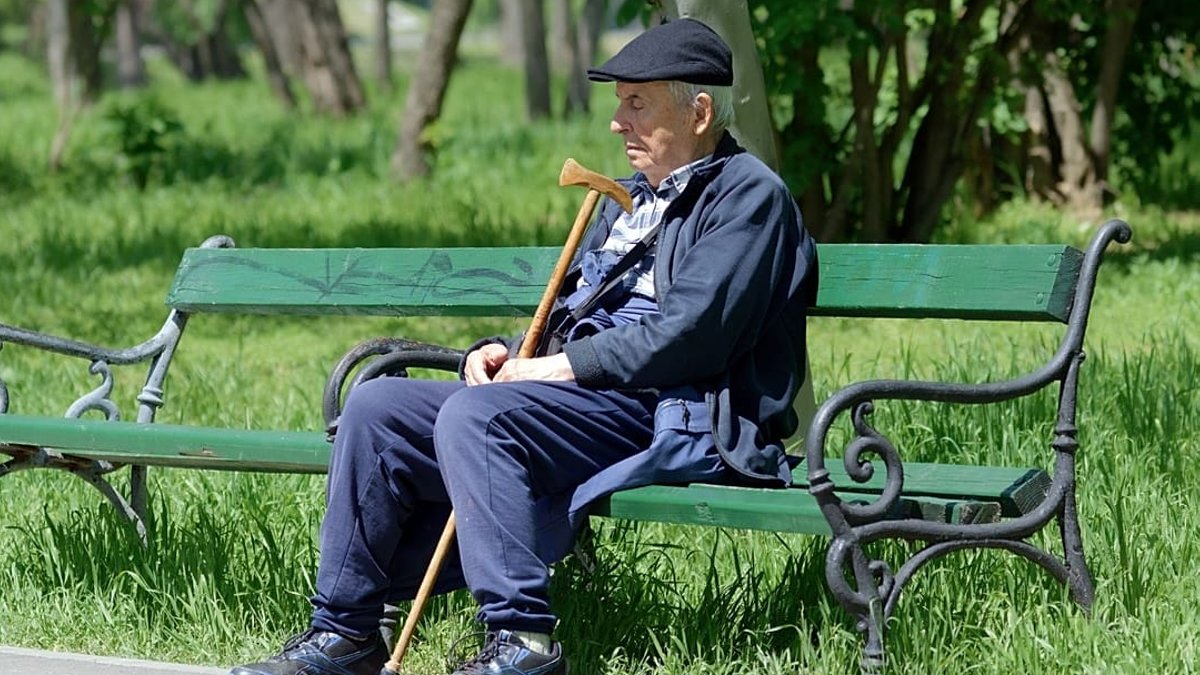
A recent survey conducted by The Ohio State University Wexner Medical Center found that a significant majority, 63%, of adults in the United States are unaware that anxiety about falling poses a risk. Ben Melancon, a former athlete in his 70s, has personal experience with this fear, having fallen down stairs over a dozen times, with his most recent injury requiring nine stitches near his left eye.
The fear cycle
Melancon recounted his experience, saying, “I was scared to death of those stairs.” He added, “That was pretty much the icing on the cake.” His story illustrates how falls can lead to a lasting fear of losing balance, causing individuals to avoid certain activities, which in turn can increase the risk of falling due to reduced physical activity and decreased strength and mobility.
Michelle Easley, a board-certified nurse practitioner at the center’s Fall Prevention Clinic, noted, “When you’re not confident, you may avoid activities because you’re afraid you’re going to fall.” She emphasized, “That fear of falling is actually one of the biggest risks of falling.”
Global implications
The issue of falls extends far beyond the United States, posing a significant public health concern across Europe. According to a European factsheet published by the European Association for Injury Prevention and Safety Promotion EuroSafe, approximately 35,848 people aged 65 and older die from falls each year in the EU, based on data from 2010 to 2012.
Falls are the leading cause of injury-related emergency department visits among older individuals, accounting for 58% of these visits. Nearly half of fall-related emergency department visits result in fractures, while about one in five involve head injuries.
The severity of fall-related injuries increases with age. The EuroSafe factsheet estimates that 32% of fall-related injuries among people aged 65 to 74 require hospital admission, rising to 39% among those aged 75 to 84 and 45% among people aged 85 and older.
Environmental factors and prevention
Falls are often the result of a combination of physical, behavioral, and environmental factors, including reduced muscle strength, poor balance, impaired vision or hearing, and chronic health conditions. Behavioral factors, such as inadequate footwear and changes in mobility due to fear of falling, can also contribute to the risk of falls.
The home environment plays a key role in fall prevention. According to the EuroSafe factsheet, 64% of fall-related injuries occur at home, with more than half of these injuries happening in living rooms or bedrooms, followed by bathrooms and stairs. Outside the home, uneven pavements, slippery surfaces, and poorly maintained public spaces can also increase the risk of falls.
Improving strength and balance through physical activity, particularly supervised programs, is essential for fall prevention. Ben Melancon attended the Fall Prevention Clinic at Ohio State several times a week for four months, working with a physical therapist to improve his strength and balance. He also started exercising at home and wearing athletic shoes with better support.
Since completing the program, Melancon has not experienced any falls. He said, “I’m not fearful anymore of steps.” He added, “I can go up and down any steps you want.”
Practical measures
Evidence from Europe supports a multi-faceted approach to fall prevention, combining individual risk assessments, medication reviews, tailored exercise programs, and improvements to home and public environments. Studies cited in the EuroSafe factsheet suggest that targeted fall-prevention programs can reduce injury rates by 20% to 40% among high-risk groups.


