Running stores’ tech overrides personal preference
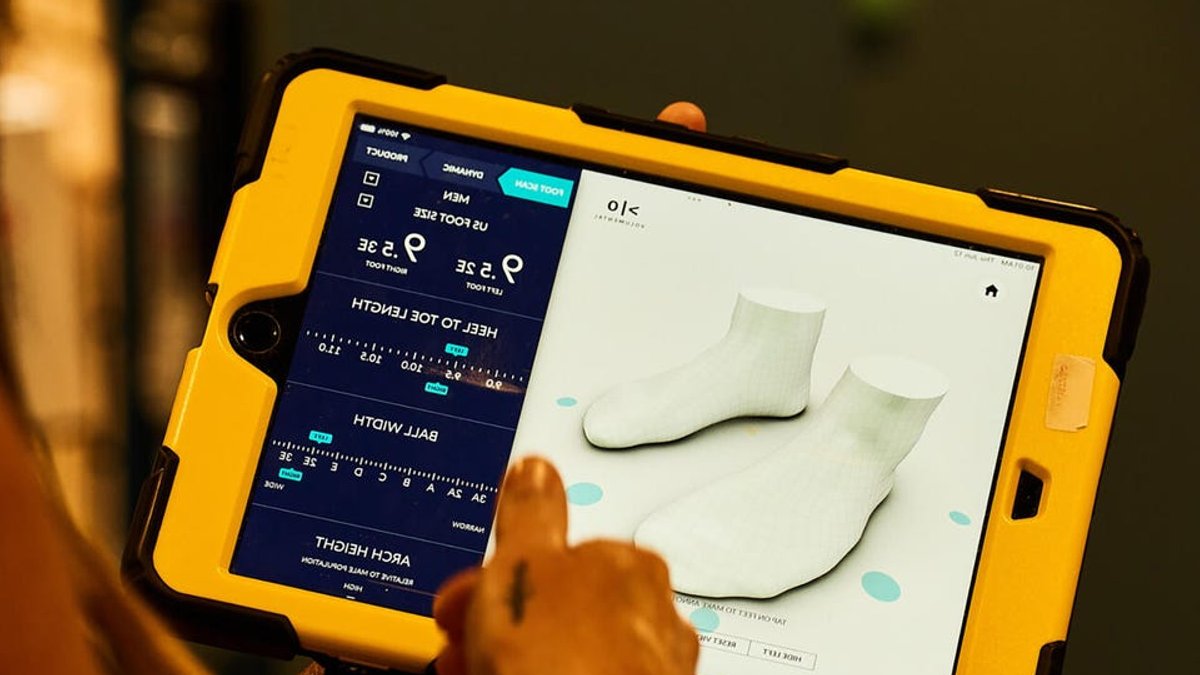
A 300-pound runner in New York City had a clear idea about the shoe he needed to replace his worn-out pair: the Brooks Adrenaline 25 GTS, a stability model frequently recommended for overpronators. However, when he visited Super Runners Shop on the Upper West Side, the store’s foot-analysis machine suggested the Brooks Glycerin 23 GTS instead. Despite his prior research, the recommendation left him skeptical, so he left without making a purchase.
He next stopped at Fleet Feet, another major running retailer, hoping for a different outcome. The store’s Fit ID scanner, a 3D system analyzing foot length, width, volume, arch height, and pressure distribution, also pointed to the Glycerin 23 GTS. Two different machines, two separate stores, and multiple employees all agreed on the same alternative, reinforcing the recommendation.
Both systems operate on similar principles. Super Runners Shop combines machine data with staff observations, sometimes assessing gait or stance. Fleet Feet’s Fit ID system, however, automates much of the process by comparing measurements against a database of shoe fits. Neither retailer stocks exclusively Brooks shoes, so brand preference did not influence the suggestion.
Convinced by the consistency, he tried on the Glycerin 23 GTS. The shoe provided a better fit than the Adrenaline, offering a roomier toebox while maintaining support. The GuideRails technology, firm foam bumpers on the heel, corrected his overpronation without feeling restrictive, properly aligning his knees during uneven strides.
Reviews from Runner’s World editors confirm his experience. Amanda Furrer, the publication’s reviews editor, explained that the GuideRails system in the GTS version delivers subtle guidance without the overbearing correction of older stability shoes. “It works for overpronators because it’s not intrusive,” she said.
Beyond functionality, the shoe’s design impressed him. While many stability shoes prioritize medical-grade support over appearance, the Glycerin 23 GTS features color options that avoid a clinical look. His only criticism was that Brooks offers fewer color choices for the GTS line compared to the standard Glycerin 23, at least in physical stores.
He ultimately purchased the Glycerin 23 GTS instead of the Adrenaline, and the decision proved beneficial. Since buying the shoe, he has experienced no comfort or performance issues during runs or workouts. The experience reinforced one key point: foot-analysis machines in running stores can provide reliable recommendations.
For runners who overanalyze their purchases, the advice is straightforward: rely on the data. Even if prior research or personal preference favors one shoe, a second opinion from a scanner, and a second store, may uncover a better match.


