Training Tendons Key to Injury-Free Running Performance
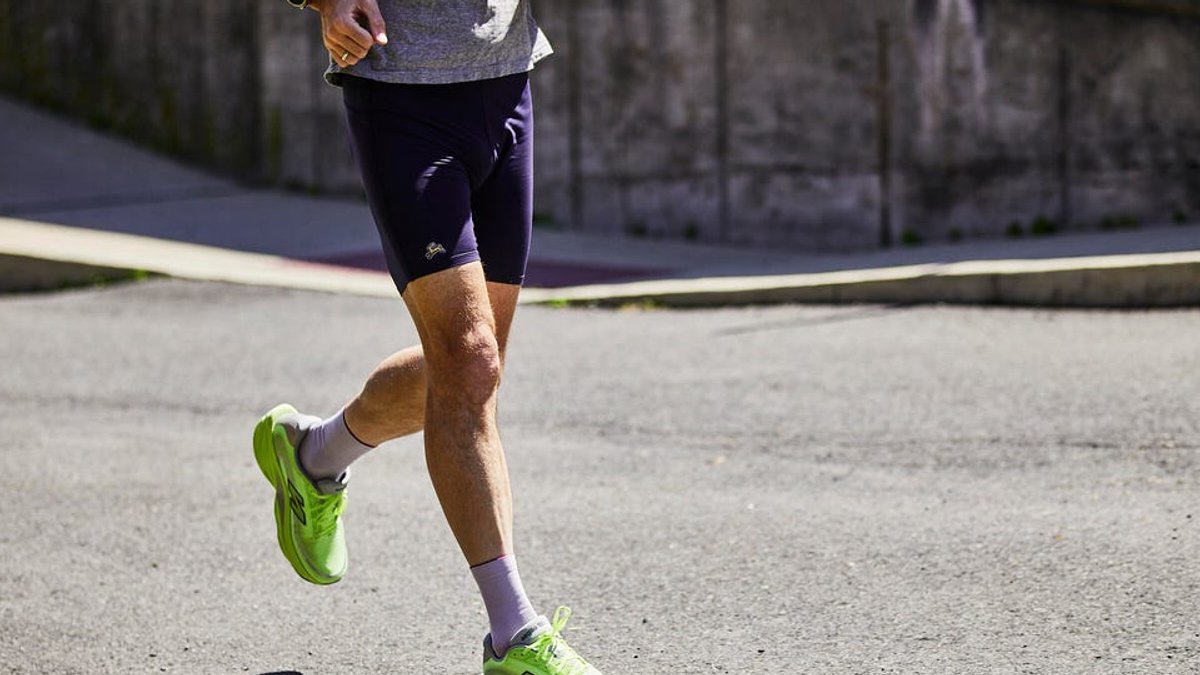
Strong muscles are essential for faster running and injury prevention, but tendons—the connective tissues linking muscle to bone—are often overlooked in training. These tissues play a critical role in force transfer and energy storage, acting like springs during each stride. Physical therapists emphasize their importance in running economy and propulsion, as they store and return energy with every step.
Why Tendons Matter for Runners
Tendons store energy when the foot hits the ground and release it during push-off, enabling efficient and powerful running. However, they adapt more slowly than muscles, making them vulnerable to injury from rapid increases in mileage or intensity. Common issues include Achilles tendinitis, patellar tendinitis, and plantar fasciitis. This slower adaptation is due to their limited blood supply, which hampers recovery and strengthening compared to muscles.
Physical therapists emphasize that muscle strength training alone does not strengthen tendons. Instead, tendons require specific training to handle repetitive loads and efficiently store and release energy. This involves slow, heavy exercises and plyometric movements. Experts like Kassandra Reagan, PT, DPT, OCS, CSCS, stress that tendons need to be strong and stiff to tolerate the demands of running.
How to Train Tendons Effectively
Experts recommend strength training two to three days per week, focusing on slow, controlled movements with heavy loads. Plyometric exercises, like speed skaters and pogo hops, also enhance tendon resilience. A systematic review in Sports Medicine Open found that lifting heavy weights is the most effective way to strengthen tendons. Additionally, a 2021 study in Physiological Reports showed that a 12-week plyometric routine improved tendon efficiency and resilience in a small study of 11 participants.
For runners, this means incorporating exercises like calf raises, deadlifts, and Bulgarian split squats into their routines. These movements target key tendons, such as the Achilles, patellar, and hamstring tendons, reducing injury risk and improving performance. For example, calf raises on a slant board or step can maximize Achilles tendon engagement, while deadlifts effectively work the hamstring tendons.
Key Tendons for Runners and Their Functions
Several tendons are key for running efficiency and injury prevention. The Achilles tendon connects the calf muscles to the heel bone, storing and returning energy during each stride, which is vital for running economy and propulsion. It plays a central role in the push-off phase of running.
The patellar tendon links the kneecap to the shinbone, transferring force from the quadriceps to the lower leg. It aids in knee extension and absorbs impact during landing, making it essential for stability and force distribution. This tendon is key for maintaining proper knee function during running.
The hamstring tendon runs from the bottom of the buttocks to the back of the knee, playing a key role in stride mechanics, hip extension, and controlling the leg during the swing phase of running. It helps maintain proper form and efficiency in each stride.
Related Post: HRT Reduces Cardiovascular Risk, but Long-Term Use Raises Concerns
Injury Risks and Prevention Strategies
Weak or overstressed tendons can lead to injuries such as posterior tibial tendinitis, causing pain and swelling in the inner ankle, and peroneal tendinitis, resulting in ankle pain. Hamstring tendinitis manifests as a dull ache in the thigh, knee, or buttocks, while plantar fasciitis causes heel and arch pain. These injuries often stem from rapid increases in training intensity that outpace tendon adaptation.
For non-injured runners, Reagan recommends strength training two to three days per week using the slow and heavy strategy, along with plyometric exercises one or two days per week. Here are five exercises to strengthen tendons:
1. Calf Raise
Hold a heavy dumbbell in each hand, palms facing inward. Press through the balls of feet and slowly raise heels as high as possible onto toes for a count of 3 seconds. Keep knees straight but not locked. Pause for a second at the top, then slowly lower heels back down for a count of 3 seconds. Repeat for 3 sets of 6 reps.
2. Deadlift
Stand with feet hip-width apart, holding heavy dumbbells against thighs. Hinge at hips, sending glutes back, and slowly lower dumbbells down legs for a count of 3 seconds until they reach just below knees. Feel a slight pull in hamstrings. Drive feet into the floor and engage glutes to stand up on a count of 3 seconds. Repeat for 3 sets of 6 reps.
3. Bulgarian Split Squat
Stand 1-2 feet away from a knee-high bench or chair. Place left foot on the bench behind you. Slowly bend right knee for a count of 3 seconds to lower into a lunge, ensuring right knee forms a 90-degree angle. Pause at the bottom, then extend right leg for a count of 3 seconds back to the starting position. Repeat for 3 sets of 6 reps on each leg.
4. Speed Skater
Jump laterally to the left, landing on the left foot in a quarter squat position while the right foot hovers behind. Immediately repeat, pushing off the left foot and landing on the right. Continue alternating for 20 reps total.
5. Pogo Hop
Stand on the balls of your feet with a soft bend in knees. Bounce up and down using ankles and calves to push off the floor. Land softly and rebound immediately into the next jump without pausing. Do 20 reps total.


