Brisk walking trumps step count for longevity
A new study indicates that both the duration and intensity of walking affect mortality risk, but they can offset each other to some degree. Researchers determined that individuals who walk at a brisk pace, even for shorter durations, achieve health benefits comparable to those who take far greater numbers of steps at a slower speed.
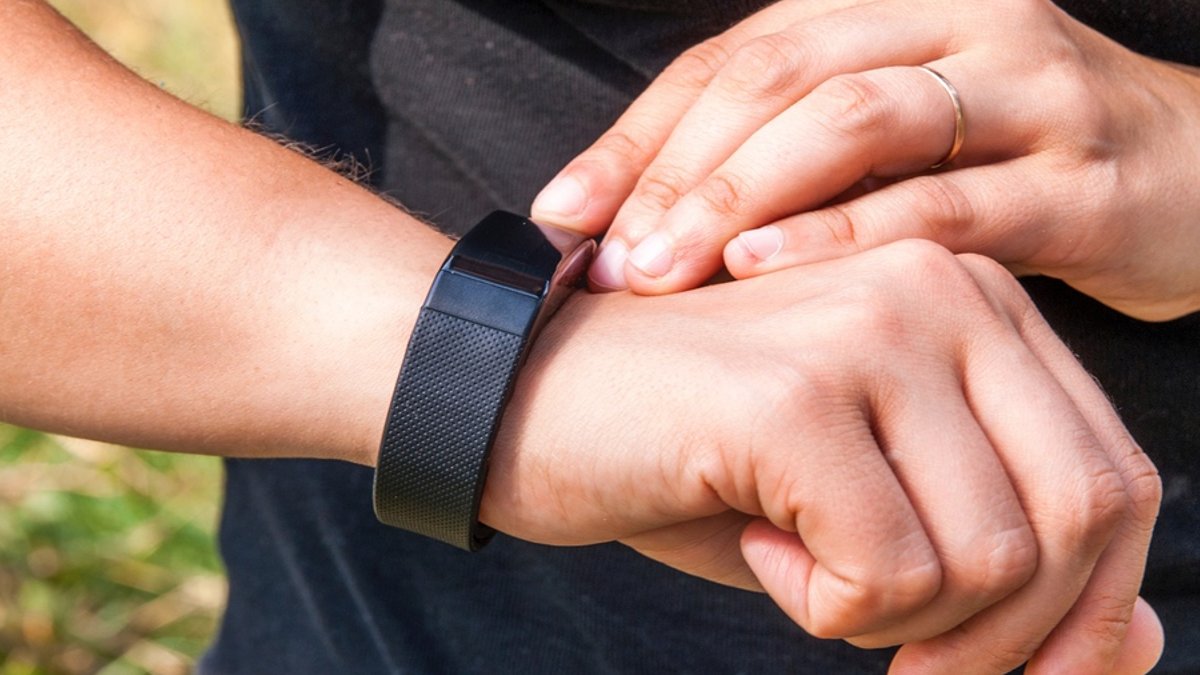
The research, conducted by the University of Sydney and published in the British Journal of Sports Medicine, examined data from nearly 104,000 middle-aged adults enrolled in the UK Biobank between 2013 and 2015. Participants wore wrist-based activity trackers for seven consecutive days while the team recorded both step count and walking intensity. They then followed participants’ health through November 2022 to evaluate mortality risk.
Results revealed that the lowest risk of premature death occurred among those taking between 7,500 and 10,000 steps daily, regardless of walking pace. However, walking at a faster rate, defined as 80 steps per minute or more, could compensate for lower step totals. For instance, an individual taking fewer than 5,000 steps daily but walking briskly had a mortality risk reduction similar to someone taking 5,000 to 7,500 steps at a slower pace, around 60 steps per minute.
The study also found that among those taking fewer than 7,500 steps daily, walking at a higher pace for at least 30 minutes was linked to progressively lower mortality risk. These benefits extended to cardiovascular-related deaths, demonstrating that intensity can offset shorter walking durations.
Traditional recommendations have often focused on step targets such as 10,000 steps per day, but this research introduces greater flexibility. A shorter, faster walk may prove equally effective for some, particularly those with limited time or mobility challenges. The findings also showed that slower walkers who took more steps still gained advantages, though the optimal balance appeared to lie between volume and speed.
“The wider message coming from this study is behavioral flexibility,” said Emmanuel Stamatakis, professor of physical activity, lifestyle and population health at Monash University, Melbourne. “Step targets need not look identical for everyone, and people who cannot walk far, or cannot walk quickly, still have a route to lower risk.”


