Europe’s hospitals brace for war’s unseen threats
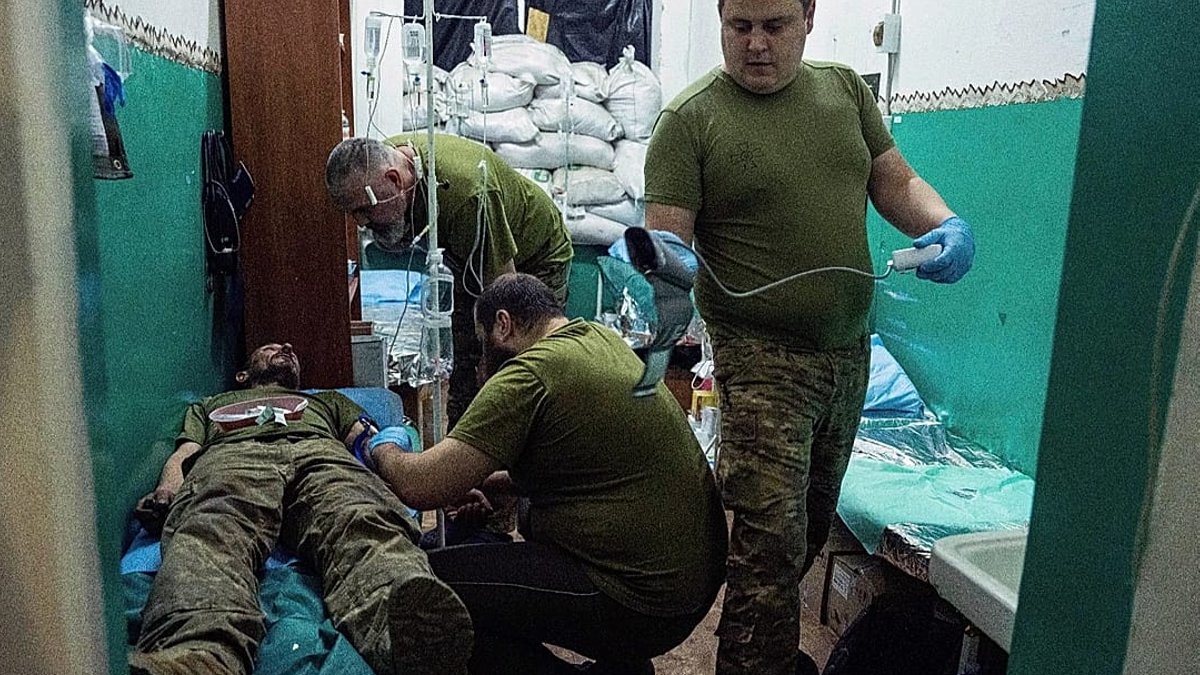
As Europe braces for the possibility of a wider conflict, governments are strengthening NATO’s eastern flank and preparing for a more dangerous security environment. However, the health sector, hospitals, healthcare workers, and public health systems, risks being overlooked. From missile attacks to chemical, biological, and radiological threats, healthcare systems could face unprecedented pressure.
The rapid development of artificial intelligence in biotechnology adds new uncertainties. While AI accelerates medical advancements, it could also enable malicious actors to create dangerous biological agents. Laurent Muschel, Director and Deputy Head of the Health Emergency Preparedness and Response Authority (HERA), emphasizes that biosecurity is a top priority, stating, “We need to have the appropriate regulatory framework, the appropriate surveillance system to control the use of AI.”
A prepared healthcare system is not just a matter of public health but also national security. Brigadier General Petter Iversen, Norway’s Surgeon General and chair of NATO’s Committee of the Chiefs of Military Medical Services, said, “Healthy society, it’s a resilient society.” He added, “If you are resilient, you can withstand the pressure from the adversaries.” Preparedness involves ensuring hospitals can handle mass casualties, medical supplies remain available, and healthcare workers are trained for extraordinary circumstances.
HERA is developing broad-spectrum treatments to address potential threats, including bioterrorism and chemical, biological, radiological, and nuclear incidents. Muschel explains, “First, broad-spectrum antivirals, broad-spectrum antibodies, monoclonal antibodies. That protects you from the threat, and then targeted treatment.”
Despite growing awareness, preparedness varies across Europe. Iversen notes that countries bordering Russia and on NATO’s eastern flank are more advanced in their readiness. Efforts in Germany, Norway, and the Baltic and Nordic countries include increasing hospital beds and expanding healthcare provision. However, infrastructure alone is insufficient; healthcare systems must adopt flexible approaches, and medical professionals need training for crisis conditions.
The war in Ukraine has provided practical lessons, highlighting the need for trauma care, rehabilitation, and mental health services. Jarno Habicht, former Head of the WHO Country Office in Ukraine, stresses the importance of healthcare workers, stating, “But ultimately, you depend on whether the nurses are there, whether the doctors are there, whether the support staff are there.” Healthcare workers require the right tools, training, and financing to respond effectively during emergencies.
Europe’s healthcare systems must be ready to handle multiple simultaneous crises, from chemical attacks to biological outbreaks. Iversen warns of the need for additional resources and cross-trained personnel to manage diverse patient needs. The focus is now on ensuring rapid response capabilities and reducing vulnerabilities in supply chains and industrial production.


