Study Finds Running Outside Requires More Energy Than on Treadmill
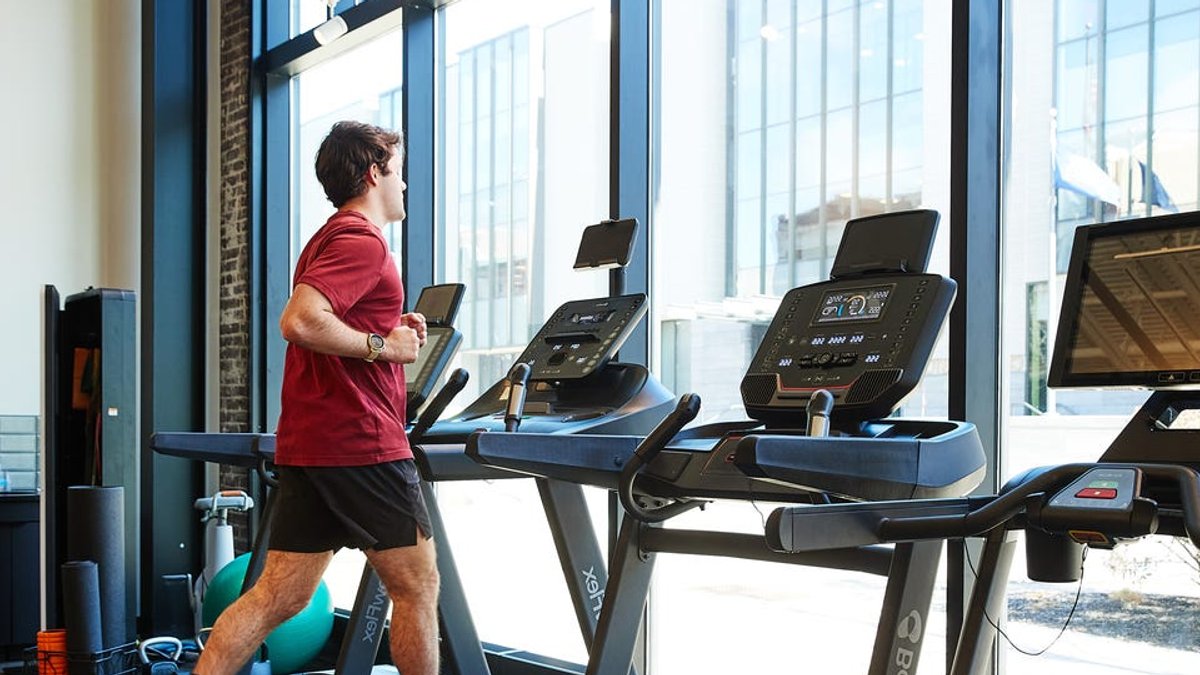
Runners often wonder if their workout environment affects their results. Whether the goal is a personal record or simply finishing a race, the method of training matters. A common debate centers on whether treadmill running provides the same benefits as running outside. The choice between an indoor belt and an outdoor road can influence performance and physiology.
Energy Use and Hard Work
A recent study published in the journal PLOS One examined this difference. Researchers recruited 12 young, highly trained male runners who averaged 40 to 50 miles per week. The participants completed two tests: one on a treadmill set at a 1 percent incline and one on an outdoor track. Both sessions followed a progressive protocol, starting at a 12-minute mile pace and accelerating to just under a 6:30 pace.
The tests measured oxygen cost and metabolic responses. The results showed that energy and oxygen costs were higher, and running economy was worse outdoors. The gap widened as the runners approached their second ventilatory threshold, which occurred at an average pace of 7:10 to 7:22 minutes per mile.
Grace Horan, an exercise physiologist, explained that this threshold marks the transition from hard work to “very, very hard” work. The differences in running economy became more apparent at these higher intensities. This finding aligns with a 2019 meta-analysis in Sports Medicine, which noted that oxygen demands were similar at easy or moderate paces but lower on a treadmill at near-maximal intensities. When a 1 percent incline was used, however, the oxygen cost matched that of outdoor running.
Lower oxygen consumption at a given submaximal pace is beneficial because it saves energy. A runner can maintain a specific speed without expending as much effort. While the recent study suggests outdoor running is physically harder, experts caution that the sample size was small and involved only young men. The device used to measure metabolic metrics can also overestimate readings at higher intensities.
Additionally, the study required participants to maintain an exact pace outdoors, a difficult task for humans. Audio reminders piped into their ears every 100 meters may have added stress. Despite these limitations, the data indicates that the body works harder outside due to environmental factors.
Wind resistance plays a major role in outdoor running. Aerodynamic drag increases as speed rises, requiring more energy to move forward. A treadmill belt moves with the runner, reducing this resistance. This allows the runner to conserve energy and maintain a pace that might feel harder on the road. Surface and elevation changes also demand more from stabilizing muscles, which do not receive the same workout on a treadmill.
Practical Advice for Training
Runners should choose the environment that supports their specific goals. There are situations where a treadmill offers distinct advantages. Short intervals or tempo workouts often require holding a specific, hard pace. On a machine, the pace is precise and automatic. A runner does not need to check a watch constantly.


