Infant Nutrition Transformed by HMOs, Biotics, and Social Media
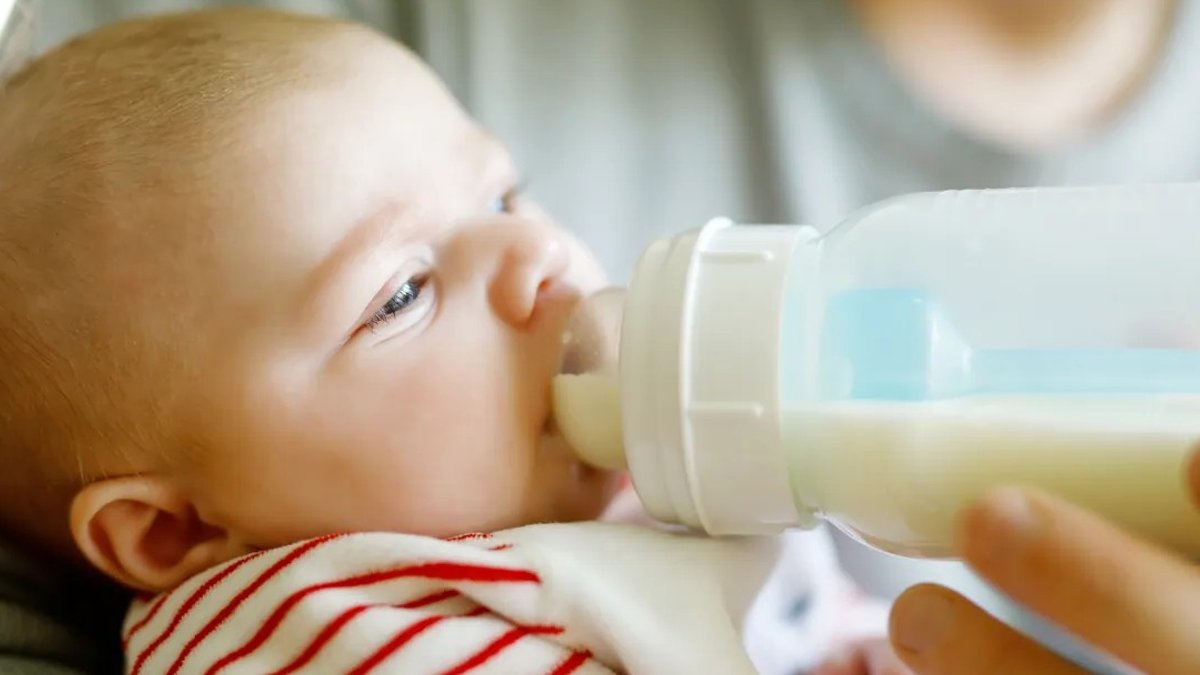
This trend is creating new market opportunities, driven by social media and AI tools that are reshaping parental awareness of ingredients and products.
Data from Innova Market Insights reveals a 10% annual increase in early nutrition product launches featuring HMOs and biotics from April 2021 to March 2026. Baby formula and milk dominated these launches, accounting for 72% of the total.
Asia-Pacific leads the way in early nutrition innovation
The Asia-Pacific region is a key player in this trend, leading early nutrition launches with 44% of products featuring HMOs and biotics from April 2025 to March 2026. This regional focus highlights the growing global interest in advanced infant nutrition solutions.
Parents increasingly seek control over their health decisions, reflected in the demand for clinically supported formulations combining functional ingredients. Powder remains popular for infant formula, while ready-to-feed liquids are valued for convenience.
The science behind HMOs and Bifidobacteria
Dr. Katherine Guzzetta, a global scientific advisor at Novonesis, emphasizes Bifidobacteria’s importance for infant health and how HMOs support the early-life gut microbiome. These pro- and prebiotics are now essential in infant formula, helping replicate human milk’s functional benefits.
A Swedish study found one in three infants lacked detectable Bifidobacterium, even among those vaginally born or breastfed. This highlights the need for supplementation to support early gut microbiome development.
Social media significantly shapes parental awareness of nutrient ingredients and their importance for infant health. Cecilie Seeger Millek, a global insights analyst at Novonesis, notes that while health care professionals most influence mothers’ feeding choices, social media and AI tools are emerging as key information sources.
However, a disconnect exists between mothers’ awareness of ingredients and understanding their health benefits. Continued education from health care professionals is essential to help parents make informed decisions about infant nutrition.
The rise of complex HMO blends, like Novonesis’ MyOli 5HMOMix, reflects growing demand for advanced solutions. As the industry evolves, more innovative products will likely emerge, driven by scientific research and consumer preferences.
However, as parents become more informed, they will likely demand more from their children’s products.
This includes HMOs, probiotics, lactoferrin, and synbiotics.
The gut microbiome is vital for infant health, and using HMOs and Bifidobacteria to support its development is an active research area. As understanding of the gut microbiome grows, more innovative ingredient applications in infant nutrition are expected.
Social Media and AI Influence Parental Awareness of Infant Nutrition
In China, younger mothers use AI more than older mothers to influence their infants’ feeding patterns. Novonesis observes that social media has a prominent impact on parents’ knowledge of specific “trending” ingredients, but these parents may lack broader awareness of basic nutrients like vitamins, minerals, and healthy fats.
Regional Preferences and Formats in Infant Nutrition
Regional preferences for supplements vary, with consumers favoring formats like gummies, sachets, sticks, and oil drops.
Ingredients like HMOs, probiotics, lactoferrin, and synbiotics are highly sought after for replicating human milk’s benefits and supporting early-stage microbiome health.
The Role of Social Media and AI in Parental Awareness
In China, older mothers are more influenced by social media groups and health care professionals on these platforms, while younger mothers rely more on AI tools for infant feeding guidance. This variation highlights the need for tailored education approaches in infant nutrition.


