Emotional Wellbeing Through Healthy Expression
Finding healthy ways to process emotions can feel like a puzzle, but a handful of simple practices can make the difference between lingering stress and a more balanced day.
Breathing, Journaling, and Naming Feelings
Deep breathing is often the first tool people reach for when tension spikes. A common technique involves inhaling through the nose for a count of four, holding for four, then exhaling through the mouth for six. This pattern slows the rapid, shallow breaths that accompany anxiety, giving the mind a brief pause to regroup.
Writing down what you experience adds another layer of clarity. A basic thought journal—just a notebook and a pen—lets you record daily events and the emotions tied to them. The goal isn’t perfect spelling; it’s to get thoughts out of your head and onto paper, where patterns become easier to spot.
When emotions feel vague, an emotions wheel can help you pinpoint the exact feeling. Instead of saying “I feel bad,” you might locate “frustration” or “annoyance” on the wheel’s branches. Naming the precise emotion often leads to better understanding and, eventually, more effective coping.
Related: Platinum 950 Engagement Rings with Lab Grown Diamonds
Talking, Moving, and Meditating
Sharing what’s on your mind with a trusted friend or counselor can lighten the emotional load. A supportive listener offers perspective, while a professional can introduce tools tailored to your situation. The act of speaking openly often reduces the fear that builds around unspoken feelings.
Physical activity, even a short walk, releases chemicals that promote a sense of well‑being. Moving the body also provides a mental break, allowing thoughts to settle after a stressful episode.
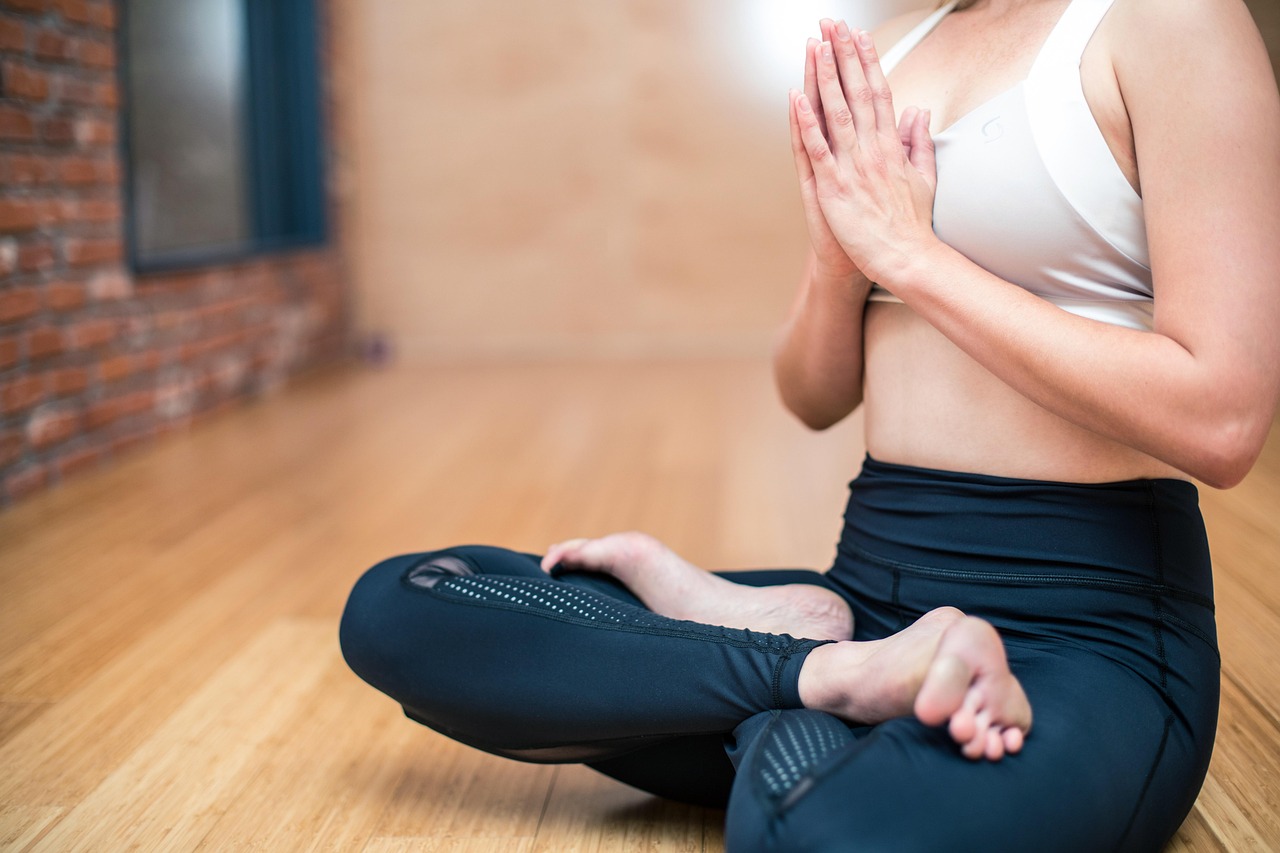
Mindful meditation builds emotional resilience over time.
Creative Expression and Self‑Reflection
Art offers an outlet when words fall short. Whether you draw, paint, or sculpt, the act of creating channels emotions into a tangible form. The result doesn’t need to be polished; the purpose is to let feelings flow onto the page or canvas.
Related: Exercises and Techniques Used in Pelvic Floor Therapy
Setting aside dedicated time for self‑reflection deepens your awareness of emotional triggers. Choosing a quiet moment—perhaps before bed or during a morning coffee—allows you to ask simple questions about how you feel and why certain events stood out.
One observation from past wellness guides is that many of these techniques overlap in surprising ways. For example, a brief walk can serve both as physical exercise and as a moving meditation, blurring the line between body‑based and mind‑based strategies.
Acceptance and Ongoing Practice
Learning to acknowledge emotions without judgment is a cornerstone of many therapeutic approaches. Instead of labeling feelings as “good” or “bad,” you might simply observe them, much like watching clouds drift across the sky.
Each of the ten methods—deep breathing, journaling, using an emotions wheel, talking with a confidant, exercising, practicing mindfulness, creating art, reflecting, and non‑judgmental acknowledgment—offers a practical path toward emotional health. While no single technique solves every challenge, integrating several into daily life can create a framework for managing the ups and downs of human experience.

Platinum 950 Engagement Rings with Lab Grown Diamonds


